Overcoming Data Silos in Robotic Logistics: Integrating WMS, WES, and Autonomous Systems for End-to-End Visibility
Why Data Silos Are Holding Back Robotic Logistics
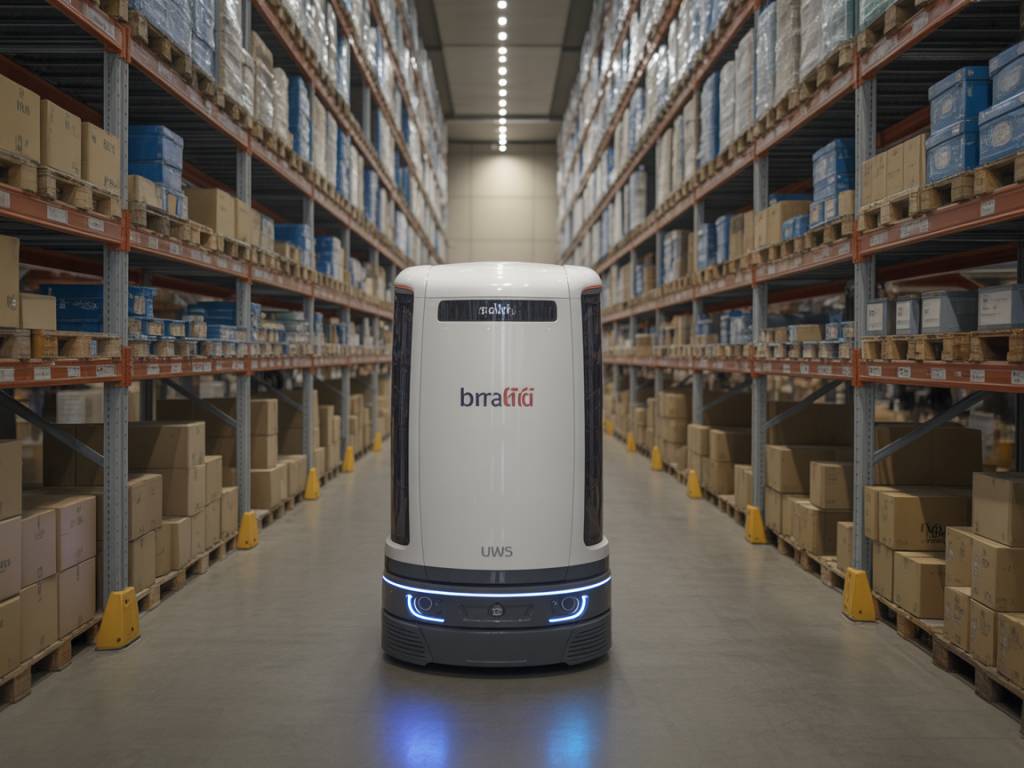
Robotic logistics is evolving fast. Autonomous mobile robots (AMRs), robotic arms, automated storage and retrieval systems (AS/RS), and smart conveyors are transforming warehouses and fulfillment centers. Yet many operations still struggle with a fundamental barrier: data silos between Warehouse Management Systems (WMS), Warehouse Execution Systems (WES), and autonomous systems.
These data silos prevent true end-to-end visibility. They create blind spots in inventory, task execution, and capacity planning. In practice, this means delayed orders, underused robots, and frustrated customers. For organizations investing heavily in automation, the lack of integration between WMS, WES, and robotics can quietly erode ROI.
Overcoming these silos is no longer optional. It is a strategic requirement for any logistics operation that wants to scale autonomous systems, optimize throughput, and deliver reliable service levels.
Understanding WMS, WES, and Autonomous Systems in Modern Logistics
To understand how to integrate robotic logistics, it is useful to clarify the role of each component in the stack: WMS, WES, and autonomous systems.
Warehouse Management System (WMS)
The WMS is the backbone of warehouse operations. It manages inventory, locations, orders, receiving, put-away, picking, packing, and shipping. In many sites, the WMS is tightly linked to the ERP and acts as the system of record for stock accuracy and order status.
Warehouse Execution System (WES)
The WES sits between planning and execution. It orchestrates workflow in real time: task allocation, prioritization, and sequencing. It coordinates material flow across zones, balancing workloads between humans, robots, and automated equipment. In a robotic environment, the WES is often the traffic controller.
Autonomous Systems and Robotics
Autonomous systems include:
- Autonomous mobile robots (AMRs) for goods-to-person or person-to-goods workflows
- Automated guided vehicles (AGVs) for pallet movement
- Robotic arms for piece picking, depalletizing, or packing
- AS/RS shuttles and cranes for high-density storage
- Smart conveyors and sorters with embedded control systems
Each of these systems generates high volumes of data. Task status, robot location, battery levels, error codes, cycle times, and capacity. Without integration, this data remains locked inside vendor platforms and dedicated controllers.
What Are Data Silos in Robotic Logistics?
Data silos in robotic logistics occur when WMS, WES, and autonomous systems operate as isolated islands of information. They may exchange limited messages via point-to-point integrations or flat-file transfers, but they do not share a unified, real-time view of operations.
Typical patterns of siloed data include:
- The WMS not receiving live feedback from robots on task completion or delays
- The WES lacking accurate, real-time inventory data from the WMS
- Robotic systems using proprietary data models that are not mapped to WMS locations or SKUs
- Operations teams relying on separate dashboards and manual exports to reconcile performance
The result is fragmented visibility. Each system sees only part of the reality on the warehouse floor. Decision-making becomes slower and more reactive. Analytics becomes unreliable, because KPIs are calculated from incomplete or inconsistent data sets.
Impact of Data Silos on End-to-End Visibility and Performance
End-to-end visibility in robotic logistics means being able to trace every unit, task, and resource across the fulfillment journey. From inbound receiving to outbound shipping, and across humans, robots, and automated equipment. Data silos undermine this visibility in several key ways.
Limited real-time inventory accuracy
- When the WMS is not updated in real time with robot movements, locations and stock can drift.
- Robotic systems may maintain their own “local” view of inventory, which conflicts with the WMS.
- Operators lose trust in system data and revert to manual checks, slowing down operations.
Poor orchestration between WMS, WES, and robots
- Without live feedback from robots, the WES may assign unrealistic workloads or mis-prioritize tasks.
- Order waves and release logic in the WMS are disconnected from actual floor capacity.
- Bottlenecks arise at packing, staging, or replenishment because upstream systems cannot “see” downstream congestion.
Underutilized autonomous systems
- Robots may sit idle because the WMS cannot feed tasks at the right cadence.
- Robotic picking stations are starved or overloaded due to lack of integrated planning.
- Overall automation ROI is reduced because the system cannot self-balance across resources.
Fragmented reporting and analytics
- Performance data is scattered across WMS reports, WES dashboards, and vendor portals.
- Time is lost exporting, cleaning, and merging data just to calculate basic KPIs.
- Root-cause analysis for delays or errors becomes difficult, because no single source provides the full picture.
Key Integration Strategies to Overcome Data Silos
Integrating WMS, WES, and autonomous systems is not just a technical challenge. It is an architectural and operational decision. Several strategies can help break down data silos and enable end-to-end visibility in robotic logistics.
Adopt a clear system-of-record model
Define which system is authoritative for each domain:
- Inventory, locations, and orders: typically the WMS
- Task orchestration and workload balancing: usually the WES
- Low-level motion control and path planning: autonomous system controllers
Once these roles are defined, integration can be designed around them. This avoids data duplication and conflicting updates between systems.
Use API-based integration instead of point-to-point patches
Modern robotic logistics relies on near real-time communication. RESTful APIs, event-driven architectures, and message queues are far more flexible than legacy batch files or tightly coupled interfaces.
- WMS to WES: share order waves, priorities, inventory updates, and status events.
- WES to robots: send tasks, receive acknowledgments, and monitor execution state.
- Robots to WMS: confirm picks, moves, replenishments, and exceptions.
API-based integration makes it easier to add new autonomous systems, test changes, and scale across multiple sites.
Implement a unified data model for locations, SKUs, and tasks
One of the most common sources of data silos is inconsistent master data. Robots may use one naming convention for locations, while the WMS uses another. The WES may represent tasks differently from the WMS.
- Standardize location IDs and hierarchy across all systems.
- Align SKU identifiers, barcodes, and attributes in both WMS and robotic platforms.
- Define common task types and status codes shared between WMS, WES, and robots.
This unified data model enables truly integrated reporting and reduces integration complexity.
Leverage a data integration layer or warehouse
To achieve end-to-end visibility, many organizations deploy a dedicated data integration layer or cloud data warehouse. This layer aggregates streams from:
- WMS transaction logs
- WES events and task queues
- Robot telemetry and vendor portals
- Conveyor and sorter PLC data
With a common repository, analytics teams can build cross-system dashboards. They can track order lead time, pick rates, robot utilization, and on-time shipping in a single view. Operations leaders gain the insight they need to tune both software settings and physical workflows.
Achieving Real-Time, End-to-End Visibility in Robotic Logistics
Once WMS, WES, and autonomous systems are integrated, the benefits go beyond basic connectivity. The real value lies in achieving real-time, end-to-end visibility and then using that visibility to optimize performance.
Dynamic orchestration across humans and robots
- The WES can dynamically reassign tasks from overloaded zones to underutilized ones.
- Robots can be redirected in real time based on order priority or SLA commitments.
- Human pickers, AMRs, and AS/RS can be coordinated as a single, adaptive network.
Predictive insights and exception management
With integrated data, logistics teams can detect emerging issues before they escalate.
- Identify zones where robots regularly queue or become idle.
- Spot recurring exceptions, such as barcode misreads or bin location mismatches.
- Forecast when replenishment will be needed based on live order inflow.
The operation shifts from firefighting to proactive management. Robotic logistics becomes more stable, predictable, and scalable.
Continuous improvement and automation ROI
End-to-end visibility also enables structured continuous improvement.
- Compare performance between shifts, zones, and robot fleets using unified KPIs.
- Test changes in WMS wave strategies or WES task logic and measure impact quickly.
- Optimize robot deployment, charging strategies, and maintenance windows based on actual utilization.
The result is higher throughput, better labor efficiency, and improved on-time delivery, all supported by data rather than intuition.
Practical Steps for Logistics Leaders Planning Integration
For logistics and supply chain leaders planning to integrate WMS, WES, and autonomous systems, a phased and structured approach is essential. Rushing into integrations without clear goals often leads to more complexity, not less.
Clarify business objectives first
- Is the priority to increase throughput, improve SLA adherence, or reduce labor costs?
- Which processes (picking, put-away, replenishment, packing) will see the largest gains from integration?
- What service levels and KPIs must the integrated system support?
These answers will guide architecture choices and vendor selection.
Assess current systems and data quality
- Evaluate WMS capabilities for real-time APIs and event publishing.
- Review WES flexibility for connecting to multiple robot vendors.
- Audit master data quality, especially locations and SKUs.
A clean data foundation makes integration smoother and more reliable.
Engage robotics vendors on openness and standards
- Prioritize robotic logistics solutions that offer open APIs and documented data models.
- Ask vendors how they handle integration with leading WMS and WES platforms.
- Ensure that telemetry and performance data are accessible for analytics.
Vendor openness is critical to avoiding new data silos around each robotic subsystem.
Start with a pilot, then scale
- Begin integration with one critical workflow, such as goods-to-person picking.
- Measure baseline KPIs, then track improvements as integration is rolled out.
- Use lessons learned to standardize an integration template for additional sites or processes.
This incremental approach reduces risk while building organizational experience with integrated robotic logistics.
From Isolated Automation to Connected Robotic Logistics
Automation alone is no longer a differentiator. Many warehouses and fulfillment centers now use robots, conveyors, and AS/RS to support high-velocity e-commerce and omnichannel operations. The real competitive edge lies in how well these systems are connected to the WMS, WES, and broader digital supply chain.
By overcoming data silos and investing in robust integration, organizations transform isolated automation into a connected, intelligent logistics network. WMS, WES, and autonomous systems work together, sharing data in real time and enabling end-to-end visibility. This shift is what allows robotic logistics to move beyond proof-of-concept projects and deliver sustainable, scalable value across the entire operation.