Human-Centric Design in Warehouse Robotics: Creating Safer, More Intuitive Human-Robot Interactions
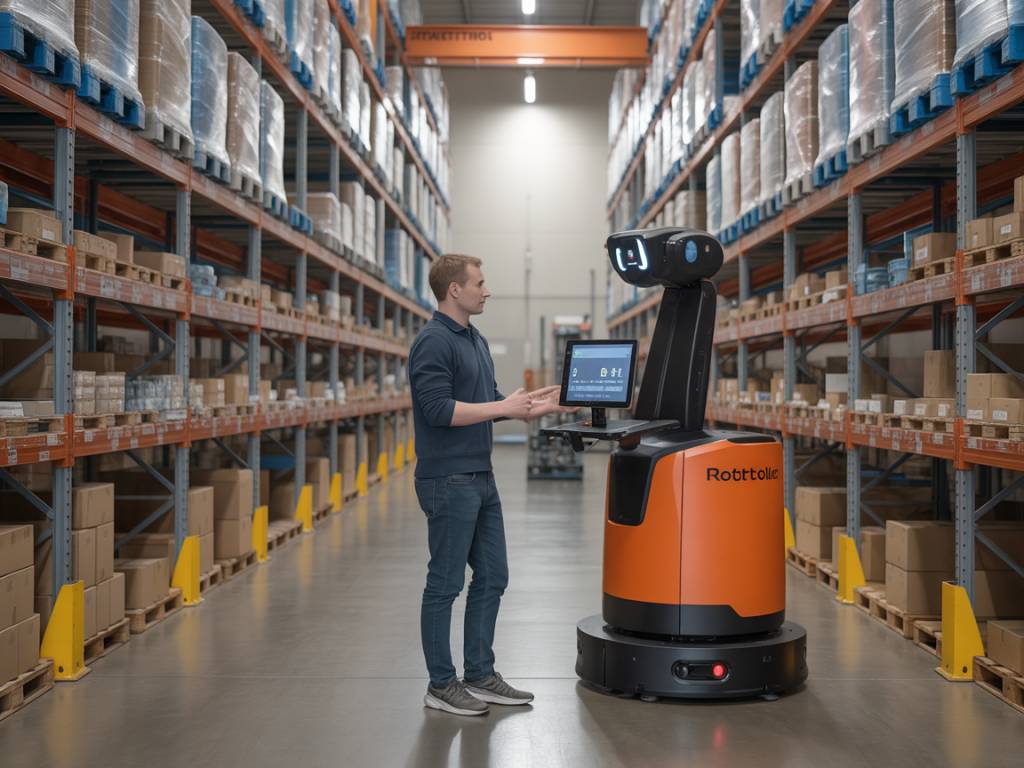
Warehouse robotics is no longer just about speed and throughput. It is increasingly about people. As automated guided vehicles (AGVs), autonomous mobile robots (AMRs) and robotic picking systems spread across distribution centers, human‑centric design has emerged as a critical success factor. The focus is shifting from “How do we automate this task?” to “How do we design safer, more intuitive human‑robot interactions that empower workers and improve operations?”
Why Human-Centric Design Matters in Warehouse Robotics
Human-centric design in warehouse robotics means designing systems around the capabilities, limitations and expectations of the people who work with them. Instead of forcing operators to adapt to complex machines, the technology is adapted to fit real workflows, real skills and real constraints on the warehouse floor.
This approach matters for several reasons. It improves adoption rates, reduces training time and minimizes safety incidents. It also supports higher productivity, because workers can collaborate more effectively with cobots and mobile robots. In competitive logistics markets where labor is scarce and customer expectations are high, the combination of safety, efficiency and employee satisfaction is a powerful differentiator.
From an SEO perspective, topics like “human-robot interaction,” “warehouse safety,” “ergonomic design,” and “intuitive robotics interfaces” connect directly to this trend. Yet behind the buzzwords lies a very practical question: how do we make robots feel like natural, trustworthy teammates rather than unpredictable machines?
Designing Safer Human-Robot Interactions on the Warehouse Floor
Safety is the foundation of any human-centric warehouse robotics strategy. A robot that moves quickly but unpredictably will never gain the trust of operators. Safe, transparent behavior is essential.
Modern warehouse robots incorporate a range of safety technologies and design principles:
- Advanced sensors and vision systems to detect people and obstacles
- Dynamic speed and separation monitoring to slow or stop near humans
- Clearly defined safety zones and geofencing
- Redundant emergency stop (E‑stop) buttons within easy reach
- Predictable movement patterns and smooth acceleration/deceleration
However, technology alone is not enough. Human-centric safety considers how workers actually perceive risk and interact with machines. Robots should communicate their intentions clearly. Simple cues like light signals, sound notifications and projected paths on the floor can tell workers where a robot is going next, reducing anxiety and near misses.
In best-in-class facilities, safety is treated as a shared responsibility between humans and machines. Warehouse robotics vendors and logistics operators co-design layouts, traffic flows and operating rules that prioritize collaborative safety over pure speed.
From Complex to Intuitive: User Experience in Warehouse Robotics
For warehouse workers, the user experience (UX) of robotics systems is often the difference between adoption and resistance. Human-centric robotics interfaces are designed to be intuitive, even for people with limited technical backgrounds.
Key elements of intuitive UX in warehouse robotics include:
- Touchscreen interfaces with clear icons and simple workflows
- Minimal configuration steps to start a task or mission
- Natural language instructions or chatbot-style support for troubleshooting
- Color coding and visual cues that reduce cognitive load
- Contextual feedback when something goes wrong, instead of obscure error codes
When operators can quickly understand how to interact with robots, training costs drop and operational flexibility increases. New seasonal workers can be onboarded faster. Teams can adapt robots to new products or layouts without calling engineering experts for every change.
Intuitive human-robot interfaces also reduce stress. Instead of worrying about making mistakes with complex systems, employees gain confidence and a sense of control. That psychological shift often translates into higher engagement and better overall performance.
Collaborative Robots (Cobots) and Human-Centric Warehouse Design
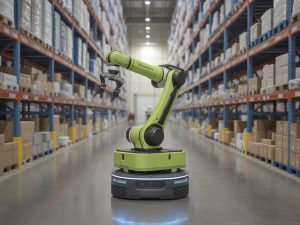
Collaborative robots, or cobots, are designed specifically to work alongside humans. In warehouses, cobots might assist with picking, packing, palletizing or goods-to-person operations. Their success depends heavily on human-centric design choices.
Cobots typically feature:
- Force and torque sensing to detect unexpected contact with a person
- Rounded edges and lightweight structures to reduce injury risk
- Integrated safety modes with limited speed and force in collaborative zones
- Programming environments that allow “teaching by demonstration” rather than code
In a human-centric warehouse, cobots are deployed to enhance workers, not replace them. They are positioned to take on repetitive, heavy or ergonomically risky tasks, while humans focus on quality checks, problem-solving and exception handling. This division of labor reduces fatigue and musculoskeletal injuries while preserving human strengths.
Ergonomics is especially important. The height of workstations, the reach distance for bins and tools, and the motion of the cobot arm all influence comfort and safety. Early involvement of operators in the design and testing process helps identify awkward postures, blind spots and friction points before full-scale deployment.
Intelligent AMRs and Human-Friendly Warehouse Navigation
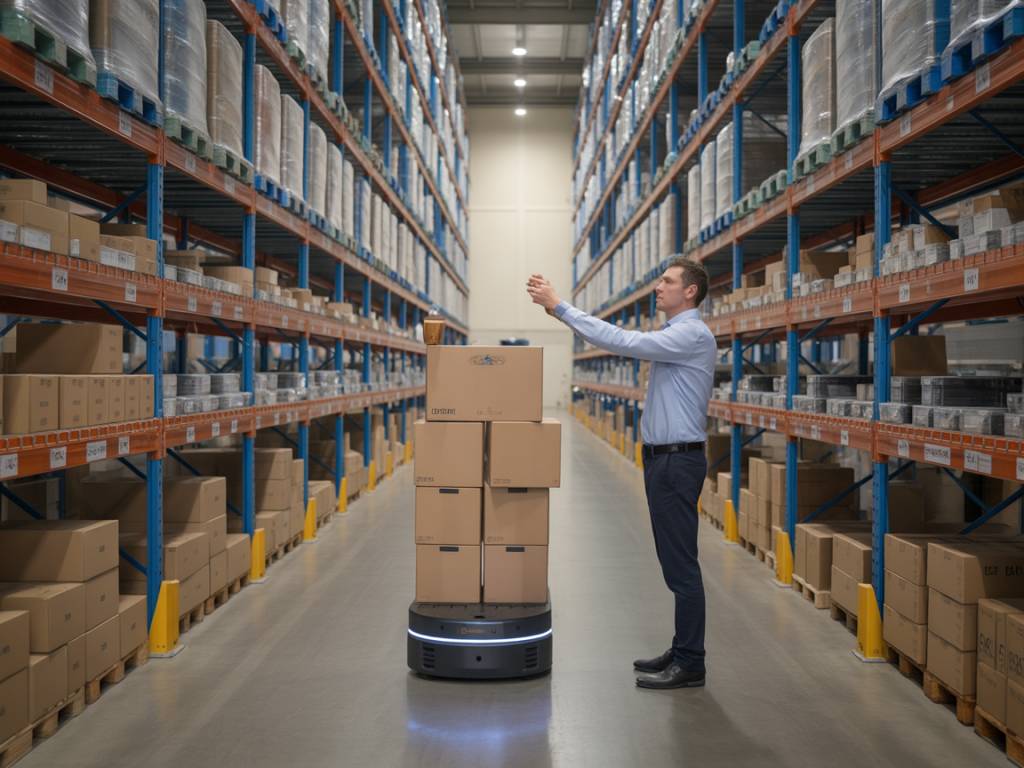
Autonomous mobile robots are transforming intralogistics by taking over transport tasks traditionally performed with pallet jacks and forklifts. Human-centric design for AMRs focuses on navigation behavior, interaction zones and transparency.
Well-designed AMR systems:
- Follow predictable routes when possible, minimizing surprise movements
- Use clear audio-visual signals when turning, stopping or yielding
- Adapt speed based on congestion and proximity to workers
- Allow workers to easily request, re-route or pause a robot
In some operations, digital signage or mobile apps show workers where robots are operating in real time. This level of visibility reduces confusion and supports smoother collaboration in busy aisles.
By integrating AMRs into warehouse management systems (WMS) and labor management tools, managers gain a more holistic view of human-robot workflows. The result is better task allocation, fewer bottlenecks and a safer flow of goods and people.
Training, Change Management and Worker Engagement
Even the most advanced warehouse robotics platform will fail if people are not on board. Human-centric design extends beyond hardware and software to include training and change management.
Successful logistics operations treat robotics rollouts as cultural transformations, not just technology projects. They invest in:
- Hands-on training sessions that demystify robots and build trust
- Clear communication about the goals of automation and the impact on jobs
- Feedback loops where operators can suggest improvements to workflows
- New career paths and upskilling opportunities related to robotics and data
When workers feel that robots are tools to support them rather than threats to replace them, adoption accelerates. People become active participants in optimizing human-robot interactions, identifying small adjustments that significantly improve safety and performance.
In practice, that might mean adjusting robot speed during peak manual picking, redesigning pick faces to reduce congestion, or changing visual cues to better match local languages and literacy levels. These iterative refinements are at the heart of human-centric design.
Measuring Safety and Usability in Human-Robot Interaction
To continuously improve warehouse robotics systems, companies need metrics that go beyond uptime and throughput. Human-centric design requires measuring safety, usability and worker experience.
Relevant indicators include:
- Near-miss and incident reports involving robots
- Time to train a new operator on robotic systems
- Number of manual overrides, E‑stop activations or error states
- Worker surveys on perceived safety, stress and ease of use
- Ergonomic assessments and injury statistics
Combining these human-centric KPIs with traditional operational data provides a more accurate picture of how well human-robot interactions are working. Over time, this data guides design tweaks, software updates and process changes that make the warehouse environment both safer and more productive.
Buying Warehouse Robotics with Human-Centric Design in Mind
For decision-makers evaluating warehouse robotics solutions, human-centric design should be a key selection criterion. Beyond technical performance, it is essential to look at how each system supports real users and real workflows.
When assessing robotics vendors and products, consider:
- How intuitive are the interfaces for non-technical staff?
- What safety certifications and collaborative features are built in?
- Can the system be adapted to different worker profiles and languages?
- How much training is required, and who provides it?
- Are ergonomics, accessibility and inclusion part of the design philosophy?
Visiting reference sites and observing live operations can be especially revealing. Watching how workers move around robots, how quickly they resolve minor issues and how comfortable they appear offers direct insight into the human-centric qualities of a solution.
Logistics leaders who prioritize human-centric design in warehouse robotics are building more resilient operations. They are reducing risk, attracting and retaining talent, and creating environments where humans and robots complement each other’s strengths. In an industry defined by tight margins and constant change, that alignment between people and technology is rapidly becoming a strategic necessity.