Human-Centric Warehouse Automation: Designing Robotic Systems Around Workers, Not the Other Way Around
Why Human-Centric Warehouse Automation Matters Today
Warehouse automation is no longer a distant vision. It is here, expanding rapidly, driven by e-commerce growth, labor shortages, and rising customer expectations. Yet many operations still struggle with a key question: should workers adapt to robots, or should robotic systems be designed around human needs first?
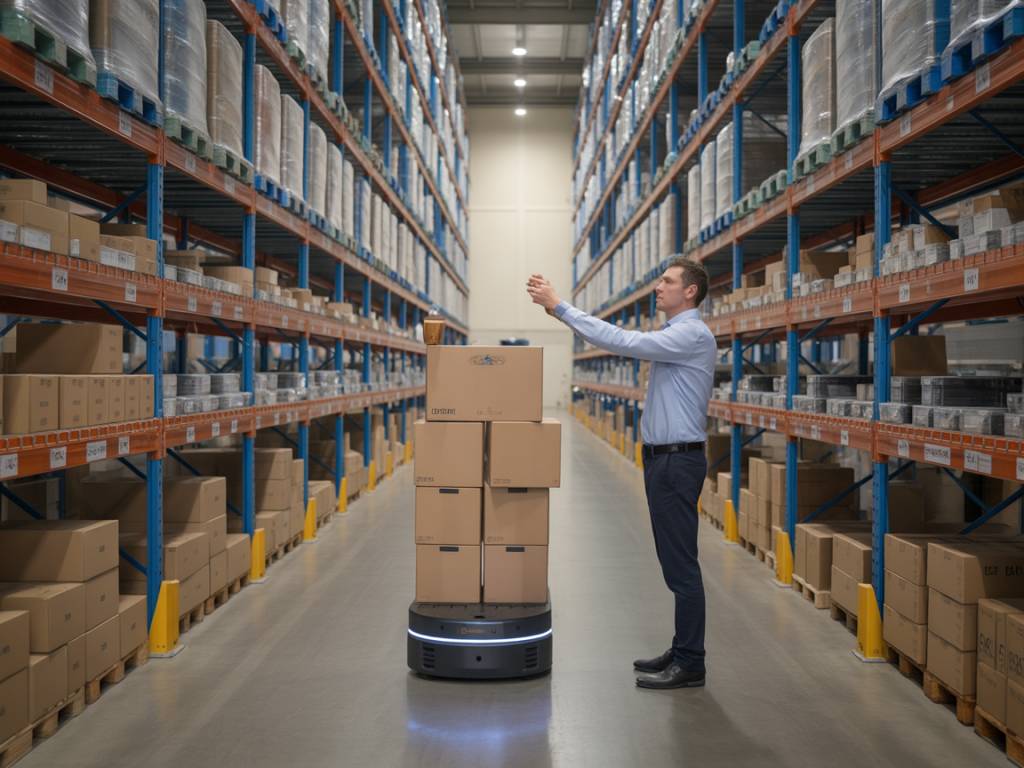
Human-centric warehouse automation reverses the traditional logic. Instead of forcing people to work like machines, it aligns warehouse robotics, software, and processes with how humans actually think, move, and stay safe. The result is not only better productivity, but also higher retention, lower injury rates, and more resilient operations.
In this article, we explore how to design robotic systems around workers, not the other way around. We look at practical principles, enabling technologies, and examples of human-centric approaches that can guide procurement and investment decisions.
From Automation-First to Human-Centric Warehouse Design
Historically, warehouse automation projects often started with technology. Operators asked: “What can this robot do?” and then reshaped tasks, layouts, and even job descriptions to fit the machine’s capabilities. It worked on paper. In real life, it frequently created friction.
Human-centric warehouse automation asks different questions:
- What are the most physically demanding or repetitive tasks for workers today?
- Where do errors occur most often, and why?
- Which activities rely heavily on human judgment and should remain human-led?
- How can robots and software support workers instead of replacing them outright?
This approach treats the worker as the primary “user” of the system. Robots, automated storage, and warehouse management software (WMS) are then selected and integrated to make the human job safer, faster, and easier to perform at a high quality level.
Core Principles of Human-Centric Warehouse Automation
Designing robotic systems around people requires a mix of ergonomics, process engineering, and thoughtful technology choices. Several principles stand out.
Ergonomics and Safety as a Starting Point
In a human-centric automated warehouse, safety and ergonomics are non-negotiable design constraints, not afterthoughts. Every new robotic system is evaluated on how it reduces strain, fatigue, and risk of injury for front-line associates.
Common ergonomic goals include:
- Reducing heavy lifting and awkward postures during picking and packing
- Minimising long walks by bringing goods to the worker
- Lowering the number of bends, twists, and reaches per shift
- Cutting exposure to hazardous zones such as high-bay storage or automated conveyors
Technologies such as goods-to-person systems, autonomous mobile robots (AMRs), and automated pallet shuttles can be deployed to take over the most physically taxing parts of the workflow. Wearables and vision systems can also help monitor and improve ergonomic performance.
Collaborative Robots Instead of Isolated Automation Islands
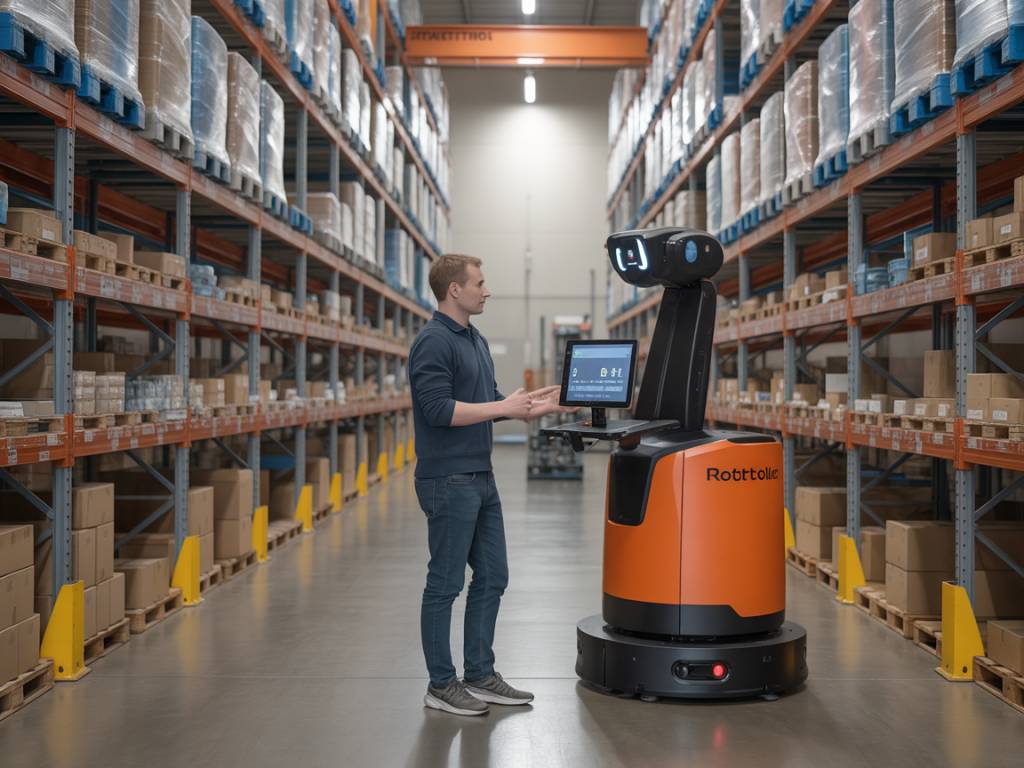
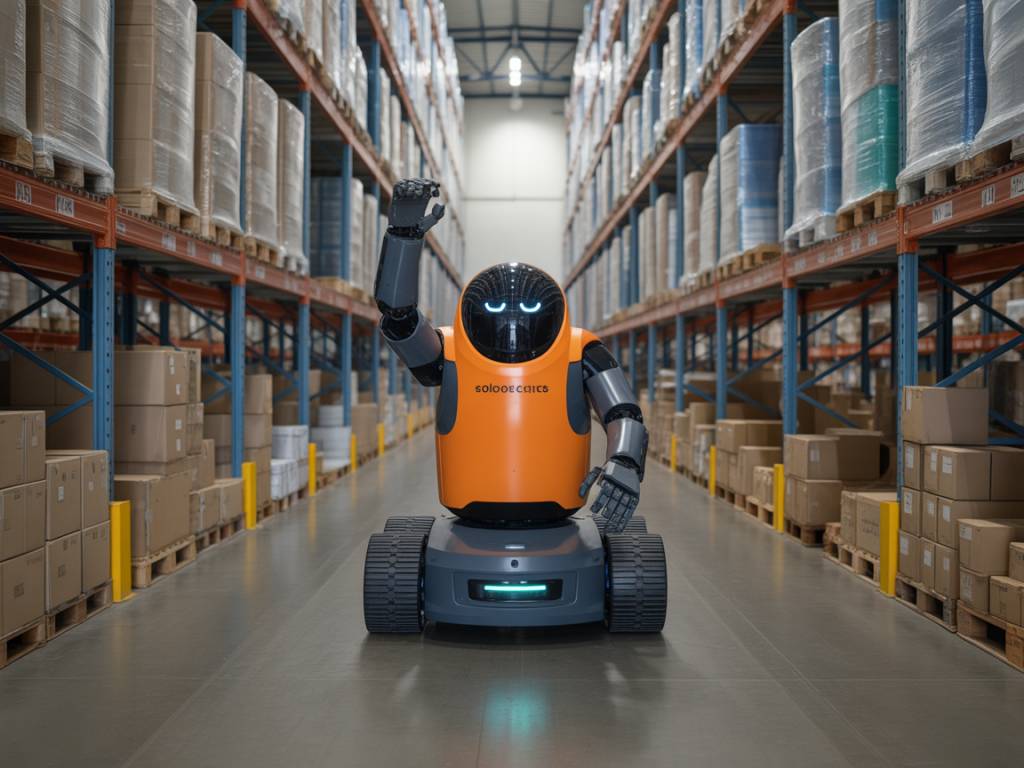
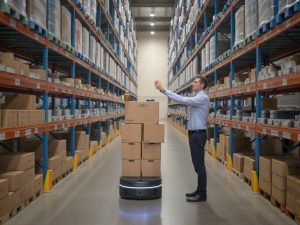
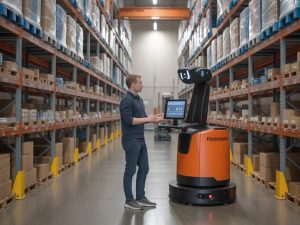
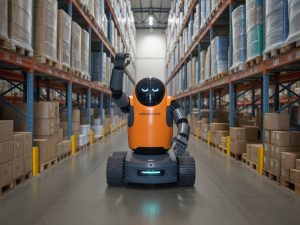
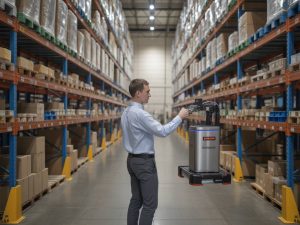
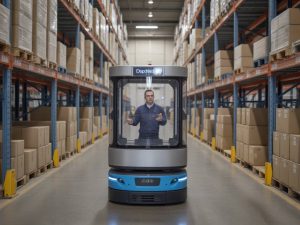
Traditional industrial robots were often caged, operating in tightly controlled areas, away from people. Collaborative robots (cobots) and modern AMRs, by contrast, are designed to work safely around humans, with advanced sensors, collision detection, and intelligent path planning.
Human-centric warehouse robotics leverages this capability. Rather than building rigid, fully automated “islands” that require workers to adapt, cobots are placed directly into human workflows. They support tasks such as:
- Assisted picking, where AMRs guide workers through optimized pick routes
- Collaborative palletizing and depalletizing to reduce heavy lifting
- Automated transport of totes, cartons, or pallets between workstations
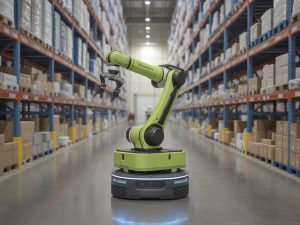
- Robotic arms handling repetitive, low-value motions while humans focus on exceptions
The key is orchestration. Human workers remain in control of the process. Robots handle repetitive motion and transport, while humans manage complex decisions, quality checks, and problem-solving.
Designing Intuitive Human–Robot Interfaces
Even the most advanced robot is only as effective as its interface. Human-centric warehouse automation places strong emphasis on intuitive, accessible, and multilingual human–machine interaction.
Leading operations invest in:
- Simple visual interfaces with clear icons and minimal text
- Voice-directed picking and voice commands for hands-free control
- Wearables such as smart glasses or wrist devices with guided instructions
- Standardized workflows across different robots to reduce training time
This user-centric design reduces cognitive load and training effort for new hires. It also allows seasonal workers to become productive faster, which is critical in sectors with high peak demand.
Preserving and Amplifying Human Judgment
Not every warehouse task should be automated. Many activities still benefit from human perception, adaptability, and tacit knowledge. Human-centric automation recognizes this and seeks to amplify, not replace, human judgment.
Examples include:
- Visual quality inspection of products and packaging
- Exception handling when items are missing, damaged, or mislabeled
- Real-time prioritization during peak orders or operational disruptions
- Continuous improvement suggestions from experienced operators
In a human-centric design, robots and AI provide data, recommendations, and physical support. The final decision, especially in ambiguous situations, remains with the human. Over time, feedback from workers can also be used to refine AI models and automation rules.
Training, Upskilling, and Change Management
One of the most overlooked components of human-centric warehouse automation is workforce development. Introducing robots and advanced software changes job content. If this transition is not managed carefully, it can create resistance, anxiety, and skill gaps.
Forward-looking operators treat training and upskilling as integral parts of their automation roadmap. They offer:
- Structured onboarding programs focused on human–robot collaboration
- Progressive training paths that lead to higher-skilled roles, such as robot operator or data specialist
- Continuous learning modules on safety, ergonomics, and digital tools
- Open communication channels to collect worker feedback on new systems
By reframing automation as an opportunity to learn new skills and move into better-quality roles, companies can reduce turnover and improve morale. This is particularly important in competitive labor markets where retention is as critical as recruitment.
Key Technologies Enabling Human-Centric Warehouse Automation
A range of technologies can support a human-centered strategy, but their value depends on how they are integrated and managed. The following categories frequently appear in successful projects.
Autonomous Mobile Robots (AMRs) and AGVs
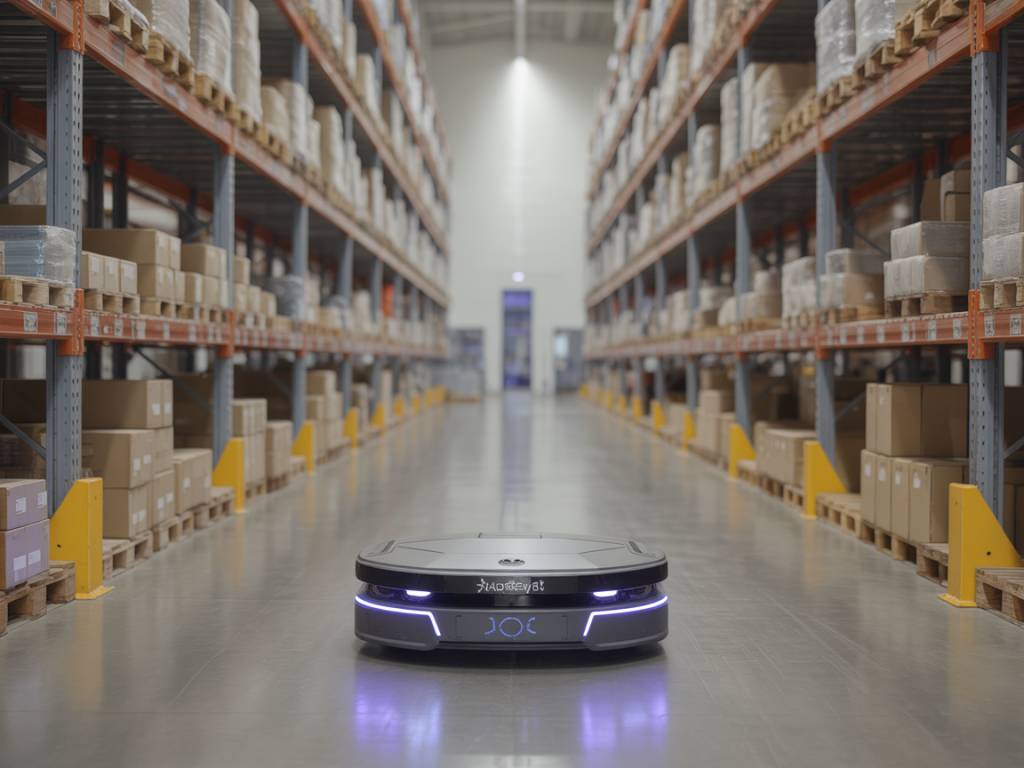
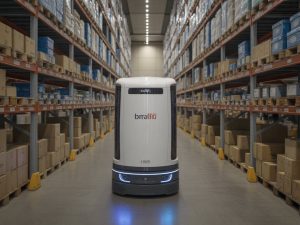
AMRs and automated guided vehicles (AGVs) are the backbone of many human-centric warehouse automation solutions. They take over travel and transport, which is typically non-value-added but time-consuming for workers.
Used wisely, AMRs can:
- Slash walking distances for pickers by moving totes and carts
- Reduce forklift traffic and associated safety risks
- Enable dynamic routing and zoning based on real-time demand
- Integrate with WMS and warehouse execution systems for orchestrated tasks
Because modern AMRs can work safely among people and be deployed incrementally, they are a natural fit for a human-centric approach where flexibility is essential.
Goods-to-Person and Person-to-Goods Hybrid Systems
Pure goods-to-person systems, such as high-density shuttle storage or robotic cube storage, can deliver strong throughput but often require substantial capital and layout changes. Human-centric automation frequently blends goods-to-person with person-to-goods workflows to keep flexibility and manage complexity.
For instance, high-velocity SKUs may be stored in automated systems that bring items directly to ergonomic workstations. Slower-moving inventory can remain in conventional shelving, supported by AMRs or pick-to-light technology.
This hybrid approach allows operations to protect worker health while preserving the adaptability that many businesses need, especially in volatile markets.
Vision Systems, AI, and Data Analytics
Artificial intelligence and advanced analytics play a growing role in designing and operating human-centric warehouses. They collect, interpret, and act on data to improve both robot performance and human workflows.
Common applications include:
- Optimising pick paths and zone assignments to reduce worker fatigue
- Predicting congestion and adjusting AMR traffic in real time
- Analysing ergonomic patterns to redesign tasks and workstations
- Supporting maintenance planning to avoid unexpected downtime
By combining sensor data, WMS logs, and feedback from staff, AI systems can continuously refine how robots and humans share tasks and space in the warehouse.
Designing Robotic Systems Around Workers: A Practical Roadmap
Moving towards human-centric warehouse automation does not require a single, massive transformation. It can be approached as an iterative journey, guided by a few practical steps.
Map Tasks and Pain Points Before Selecting Technology
Before choosing any robotic solution, operations leaders should map existing workflows in detail. The goal is to identify tasks that are:
- Physically demanding or repetitive
- Error-prone or highly variable in quality
- Time-consuming but low in added value
- Dangerous or associated with high injury rates
This task mapping should be done with direct input from front-line workers. Their day-to-day experience is critical for understanding hidden inefficiencies and safety risks that are not visible in dashboards or key performance indicators.
Co-Design Solutions With Front-Line Workers
Human-centric automation is not imposed from above. It is co-designed with the people who will use it. Workshops, pilot programs, and feedback loops are essential elements of this process.
During pilots, operators should be encouraged to comment on:
- Ease of use of robot interfaces
- Physical ergonomics of new workstations
- Impact on pace of work and perceived workload
- Safety, comfort, and trust in the technology
These insights can lead to adjustments in layout, software configuration, and even the responsibilities assigned to robots versus humans. Co-design builds both better systems and stronger buy-in.
Measure Success Beyond Pure Productivity
Traditional automation projects often focus exclusively on throughput, pick rates, and cost per order. Human-centric warehouse automation still cares deeply about these metrics, but it adds others to the scorecard.
Meaningful indicators include:
- Reduction in recordable injuries and near-misses
- Improvement in worker retention and satisfaction
- Training time required to onboard new staff
- System adaptability to new product lines or order profiles
By broadening the definition of success, companies can avoid short-term wins that damage long-term resilience and reputation.
Why Human-Centric Automation Is a Competitive Advantage
Designing robotic systems around workers is not just an ethical or regulatory choice. It has direct business implications. Warehouses that invest in human-centric automation often find that they become more attractive employers, more flexible logistics partners, and more reliable parts of their supply chains.
They can scale operations without scaling injuries. They can absorb demand spikes without burning out their staff. And they can evolve technology stacks more smoothly, because the underlying design principle remains constant: start with the human, then add the robot.
For companies evaluating warehouse robotics solutions, this orientation offers a clear decision filter. The most promising technologies are those that integrate seamlessly into human workflows, respect ergonomic and cognitive limits, and elevate the role of workers rather than sidelining them.
Ultimately, human-centric warehouse automation is about building systems where people and machines do what they each do best. When done thoughtfully, it transforms the warehouse from a site of physical strain into a modern, data-driven, and collaborative workplace that is ready for the future of logistics.